%20(1)%20(1).JPG)
Bruce Elliott shares how Memory Lane Games is using personalised games and AI to support people living with dementia and their caregivers.
Bruce Elliott, CEO of Memory Lane Games, shares how a conversation in a pub on the Isle of Man led to an app helping people living with dementia and their caregivers connect through personalised games, reminiscence and AI. Meet Memory Lane Games in Lorient at the Interceltic Business Forum this August.
Memory Lane Games began with a simple conversation about family, memories and the power of old photographs.
Bruce Elliott and his co-founder were in a pub on the Isle of Man, talking about their mothers. One was 90 and living with vascular dementia. The other was 86 and still, as Bruce puts it, “sharp as a tack.” What they shared was a love of old family photos.
That conversation sparked a question: could those photos become games?
The idea quickly became something bigger — turning memories into games. The next day, Memory Lane Games was born.
We spoke with Bruce ahead of Memory Lane Games’ appearance at the Interceltic Business Forum in Lorient this August, where the company will represent the Isle of Man in the Interceltic Startup Challenge 2026.
We were inspired by our own mums.
My co-founder and I were chatting in a pub in the Isle of Man about our mums, one 90 and living with vascular dementia, and the other 86 and sharp as a tack. What they had in common was a love of old family photos.
I wondered if we could turn those photos into games.
My co-founder said: “Actually, we’re turning memories into games.”
We started Memory Lane Games the next day.
Memory Lane Games is an app designed to trigger positive memories for people living with dementia and their caregivers.
It provides a personalised, easy-to-use tool that encourages reminiscence and starts wonderful conversations through frustration-free games.
Our app improves socialisation. We get people with dementia talking about what they want to talk about. In doing so, we help address social isolation, while also supporting caregivers with effective engagement and behaviour-management tools.
We benefit both people living with dementia and their caregivers.
The goal is to enable both to share genuine moments of joy together, daily. Those moments can become rare in dementia care as the condition progresses, so creating them matters deeply.
We use familiar quiz-style games, but personalise the topics around each individual’s hometown, hobbies, interests, favourite foods, music, films and TV.
We now have more than 4,000 games from around the world.
What is unique is that our gamification focuses on socialisation, not scoring. The aim is to get people living with dementia talking, remembering and sharing their joy.
Our new AI models are also both unique and practical. Our AI Companion, a chatbot optimised for dementia, can instantly create games on any topic, offering the ultimate form of personalised reminiscence.
It also monitors 48 emotional voice cues to optimise the conversation. For example, when joy is detected, the AI Companion might say: “Tell me another memory about that.”
We can even capture the most joyous 45 seconds from someone’s weekly chats and share “Mum’s most treasured memory of the week” as an audio clip with families.
Using AI to capture and share genuine moments of joy, building deeper connections with the people we love and care for — that is our version of AI for good.
We started out in a pub in the Isle of Man, talking about our mums.
Now, 100,000 downloads later across 134 countries, with virtually no marketing, we have shown that there are no barriers, even from a small island in the Irish Sea.
With passion and support, it is possible to build something that reaches far beyond where it began. We have certainly received that support from the Isle of Man Government and from the incredible local community here.
Representing the Isle of Man is a chance to show what can be built from a small place with a big sense of purpose.
We aim to showcase Memory Lane Games and our new AI for Good in dementia care programme across the Celtic community and beyond.
We are fortunate that our purpose attracts talent, and we hope to bring in more people who are passionate about supporting our growth.
We are also looking to share our experiences, and the challenges, of being a digital health startup expanding from the Isle of Man into the US and Canada.
That journey includes working with the Mayo Clinic and Texas Medical Center, preparing to go statewide in Arkansas, and collaborating with dementia foundations across North America on clinical trials.
Bruce Elliott and Memory Lane Games will be one of six startups presenting at the Interceltic Business Forum on 3 August in Lorient, France.
Come discover how Celtic startups like Memory Lane Games are using technology, creativity and purpose to address global challenges and create new opportunities across the Celtic regions.

Global Cornish comes together in Wisconsin and New York to help grow diaspora engagement.
Read More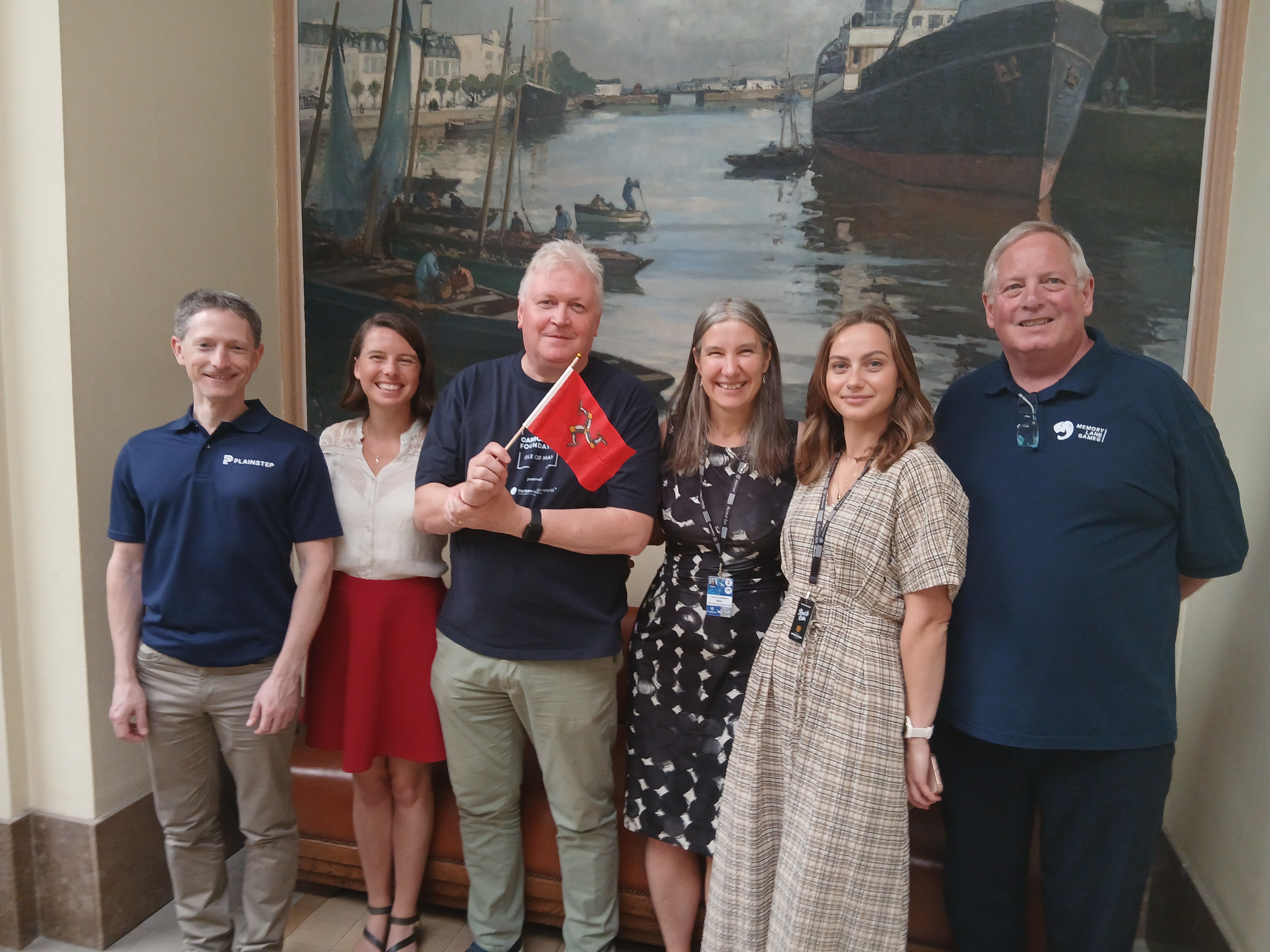
Discover what makes the Isle of Man a unique place to do business, from innovation and collaboration to UNESCO Biosphere status and quality of life.
Read More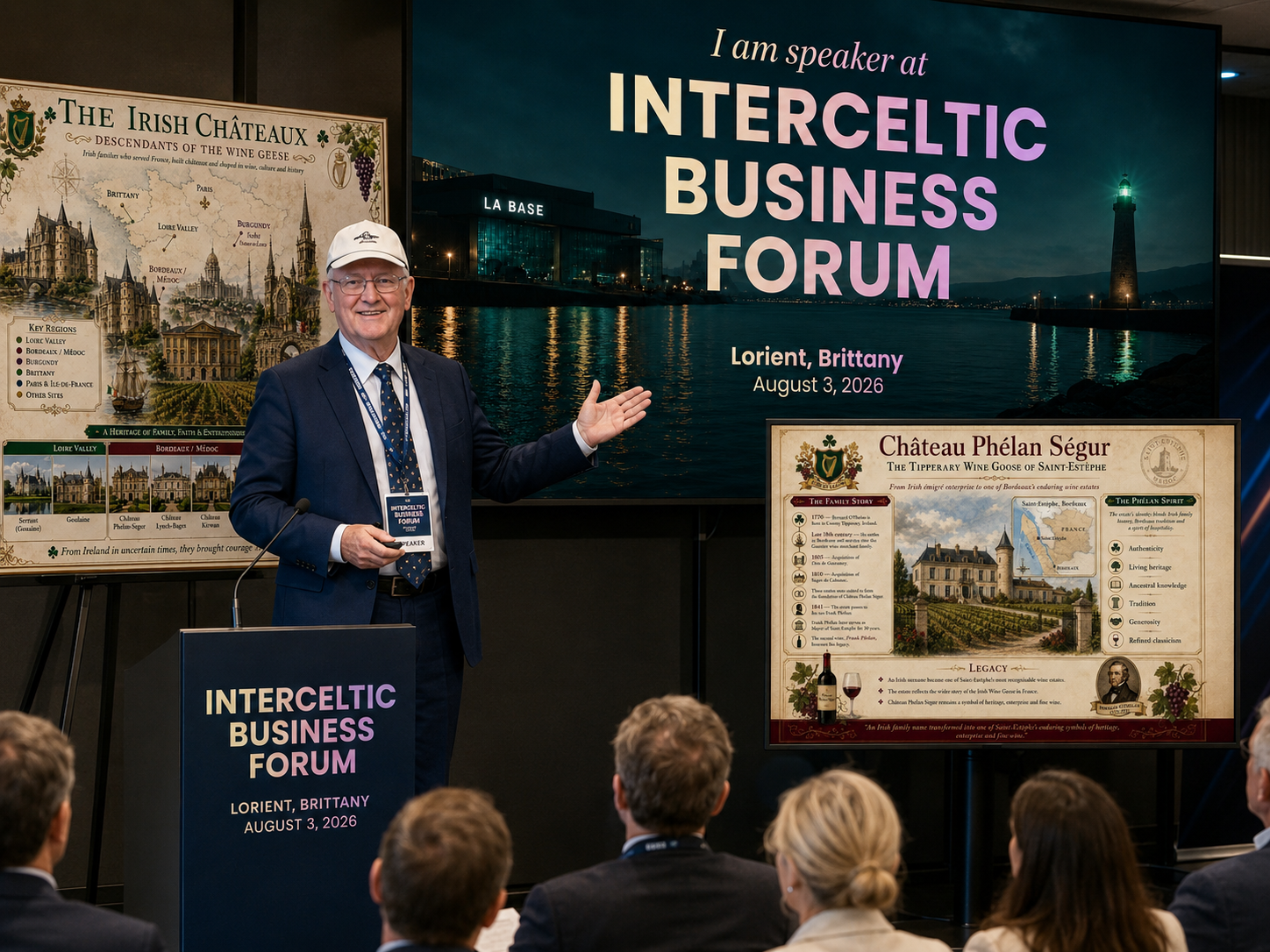
A pictorial history of the remarkable influence of Irish families and Irish châteaux on the French wine industry
Read More%20(1).jpg)
Irish fintech recognised for transforming digital customer experiences with no-code innovation and AI
Read More


