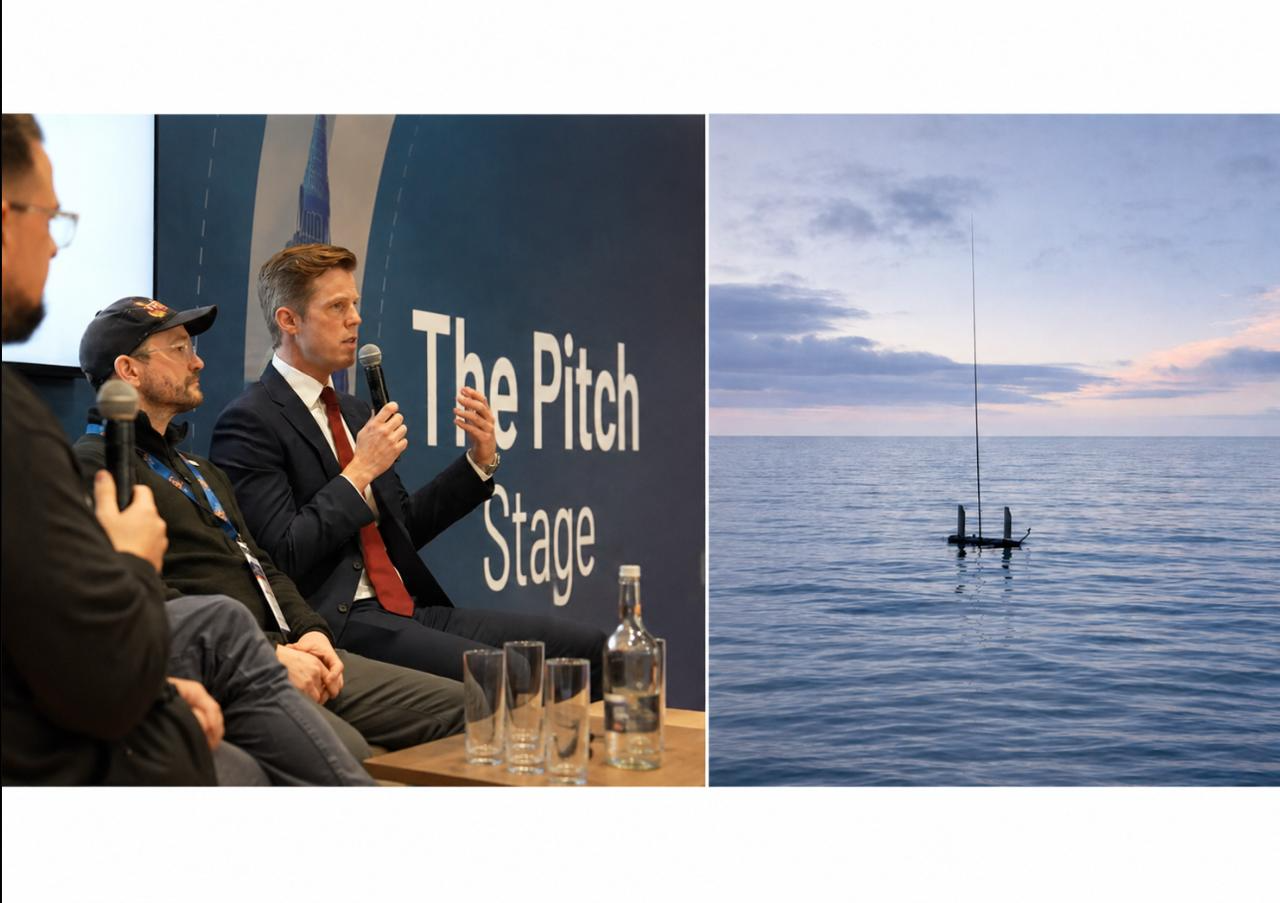
Francis Mobbs shares how Voxmar is using autonomous surface vessels to create resilient offshore communications networks.
Francis Mobbs, CEO of Voxmar, shares how the Cornish startup is using autonomous surface vessels as mobile network nodes to make offshore communications more resilient. Meet Voxmar in Lorient at the Interceltic Business Forum this August.
We have built extensive communications infrastructure on land. Offshore, we increasingly rely on satellites. But Francis Mobbs believes there is still a missing layer: communications infrastructure on the sea itself.
With a background spanning naval architecture, telecommunications and time spent working at sea, Francis saw an opportunity to create a new way of moving data in maritime environments.
That idea became Voxmar, a Cornish startup using autonomous surface vessels as mobile network nodes to create deployable communications networks wherever they are needed offshore.
We spoke with Francis ahead of Voxmar’s appearance at the Interceltic Business Forum in Lorient this August, where the company will represent Cornwall in the Interceltic Startup Challenge 2026.
My background combines naval architecture, telecommunications and time spent working at sea.
I became increasingly aware that while we have built extensive communications infrastructure on land and increasingly rely on satellites offshore, we have built remarkably little communications infrastructure on the sea itself.
As autonomous vessels, offshore sensors and connected maritime systems continue to grow, I believed there was an opportunity to create another way of moving data at sea.
Rather than replacing satellites, Voxmar is building an additional layer of communications infrastructure that provides resilient connectivity when satellites are unavailable, impractical or simply not the best solution.
Voxmar is building a new layer of communications infrastructure for the sea.
We use autonomous surface vessels as mobile network nodes, creating deployable communications networks wherever they are needed offshore.
Our goal is to make maritime connectivity more resilient and widely available for offshore industries, defence, safety and the next generation of ocean technology.
Our technology benefits organisations that depend on reliable offshore communications.
That includes offshore energy, ports, maritime autonomy, marine research, emergency response and defence.
By deploying communications infrastructure wherever it is needed, we help organisations extend connectivity beyond the shoreline, improving safety, operational efficiency and access to real-time data.
Most autonomous vessel companies use unmanned vessels to collect data.
Voxmar is different because we use them to move data.
Rather than viewing the vessel as the end product, we treat it as part of the communications infrastructure itself, creating deployable network links between underwater, surface and shore-based assets.
This infrastructure-first approach allows the same platform to support offshore energy, maritime autonomy, defence and many other applications, while complementing existing communications technologies, including satellites.
Cornwall has always looked outwards to the sea, with a remarkable history of maritime innovation and communications.
That history runs from pioneering transatlantic wireless communications and intercontinental subsea telegraph cables to today’s strengths in marine autonomy, offshore renewable energy and space.
I am proud that Voxmar is building on that heritage.
I hope we can demonstrate that globally relevant deep-tech companies can continue to grow from Cornwall while contributing to the wider Celtic innovation community.
Lorient brings together many of the organisations shaping the future of the maritime sector, making it a fantastic opportunity to connect with potential partners, customers and investors as we prepare for our first funding round.
As our first target markets are around the Celtic Sea and Atlantic coast, we are particularly keen to build relationships that can help us move from successful prototype demonstrations to commercial deployments.
We also want to strengthen connections across the wider Celtic innovation ecosystem.
Francis Mobbs and Voxmar will be one of six startups presenting at the Interceltic Business Forum on 3 August in Lorient, France.
Come discover how Celtic startups like Voxmar are developing technologies for real-world maritime challenges and building new opportunities across the Celtic regions.

Global Cornish comes together in Wisconsin and New York to help grow diaspora engagement.
Read More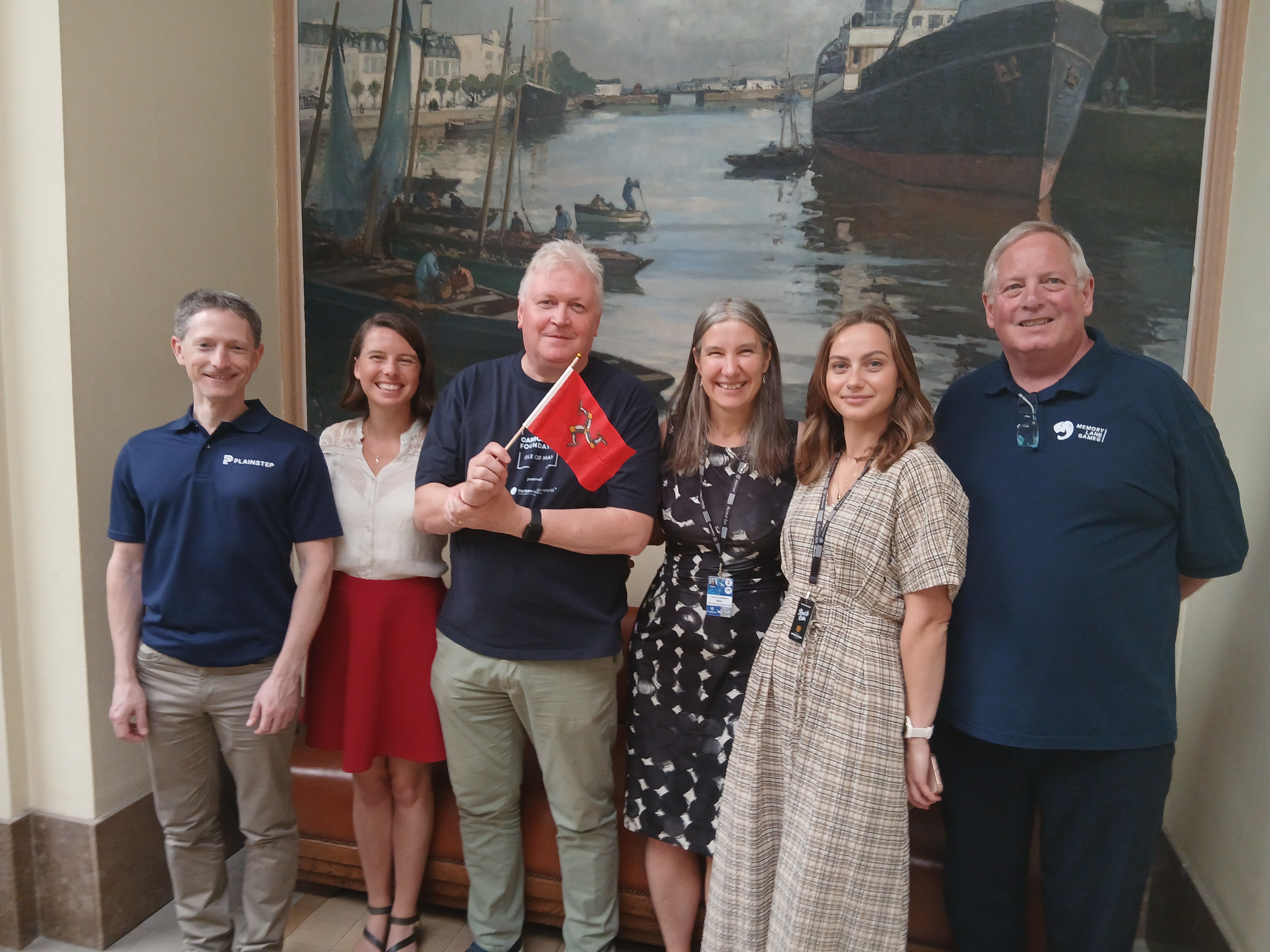
Discover what makes the Isle of Man a unique place to do business, from innovation and collaboration to UNESCO Biosphere status and quality of life.
Read More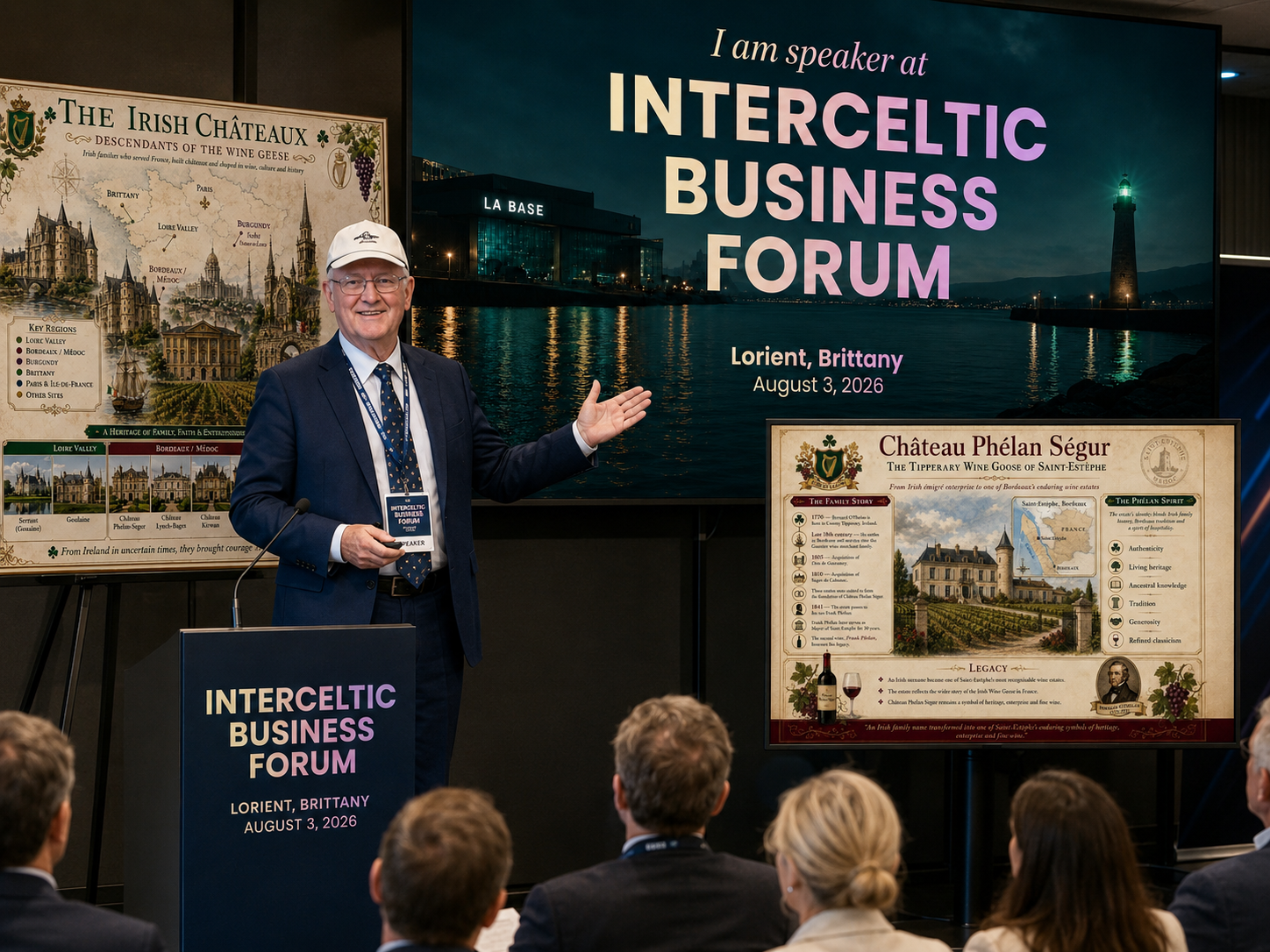
A pictorial history of the remarkable influence of Irish families and Irish châteaux on the French wine industry
Read More%20(1).jpg)
Irish fintech recognised for transforming digital customer experiences with no-code innovation and AI
Read More


