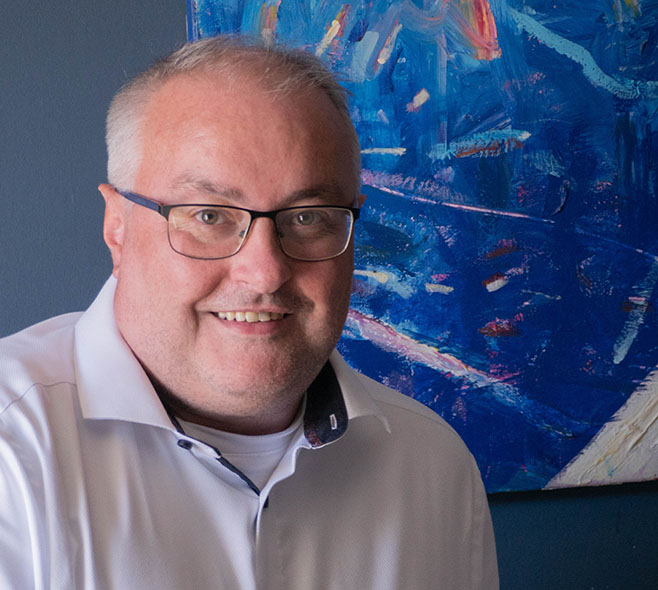
In this conversation, Dr. Russell Martin explores the growing role of diaspora networks in shaping the future of Celtic nations, from investment and innovation to identity and global collaboration.
At the Interceltic Business Forum, conversations around diaspora are increasingly moving beyond heritage and identity alone.
In a rapidly changing geopolitical environment, diaspora networks are becoming strategic assets—supporting economic development, investment, innovation and international relationships across Celtic nations and regions.
We spoke with Dr. Martin Russell, Chief Research & Strategy Officer at the Diaspora Institute, about the current state of Celtic diasporas, the growing role of regions in diaspora engagement, and why this topic matters more than ever.
One of the most marked developments in diaspora engagement over the last few years which has particular relevance for the Celtic Nations has been the emergence of regions taking an interest in engaging with their diasporas. This reinforces the notion that diaspora engagement is all about belonging and all about place and that place may not be the nation state. Catalonia, the Basque Country and the island of Lanzarote are contemporary examples of this in Spain.
A political and business delegation from Lanzarote visited Ireland in 2025 and particularly focused on the various diaspora initiatives that Ireland has implemented - this is a good example of how a Celtic nation can share experiences and help another island develop similar approaches.
Other examples of this are individual counties in Ireland and the Duchy of Cornwall in England. Scotland and Wales are both increasingly active in this space and we are now being contacted by individual cities in the UK who have seen what cities like Copenhagen (Copenhagen Goodwill Ambassadors) and Barcelona (Barcelona Global) have done and how they have reached out to their diasporas. Regions and cities are now responding to shifts in their core economic activities.
It goes without saying that we are living in a changed and changing world. It is a world of VUCA - volatility, uncertainty, complexity and ambiguity - where global capital is retreating and traditional alliances are fraying. In a world that is confrontational, protectionist and isolationist, countries and particularly small countries and regions, need their friends and their diasporas constitute such friends. In this new era of 'tanks and tariffs' countries need to cultivate relationships to navigate a world of 'Black Swan' events.
Geopolitical upheaval and conflict, digital transformation, economic disruption and other outcomes of change are bringing new types of challenges and diasporas can act as beacons of hope and support in turbulent times. All the Celtic nations possess 'Diaspora Capital' which is made up of three flows - flows of people, flows of knowledge and flows of finance. Diasporas contribute to the economies and societies of their homelands in numerous ways, transferring different “diaspora capitals” between the places they come from and the place where they live.
They send money home to their families, they invest directly in or provide debt financing to businesses, they engage in philanthropic giving, they share their skills or expertise remotely or by returning home on extended stays or through a permanent homecoming, and they fly the flag for their homelands wherever they are, which in turn supports the branding, exports and tourism of these places.
The biggest driver of diaspora engagement has been the sheer number of people living outside the country they were born in. In 1970 84 million lived outside the country they were born in - today that number is approximately 304 million. Technology and communications are having a dramatic impact on the lives of these people. They can now be 'here' and 'there' - committed to the country they live in, their host country but connected and engaged to the country they come from, their home country. Countries do no longer dictate identity, and we can say 'geography is history'.
Hyphenated identities are increasingly the norm and in an age where belonging is in short supply, diaspora engagement can be an incredibly authentic offering to your communities and networks if it is done in the correct spirit. The key to successful diaspora engagement is to be 'hi-tech and hi-touch'. There are now technical tools that can help answer the perennial question about all diasporas 'who are they, where are they and what are they doing'. Social media plays a role - there are now over 1.2 billion people on LinkedIn so now there are finally ways to answer that 3-part question.
It is important to make the necessary investment in diaspora engagement confidence in the knowledge and evidence that this can bring strong RoI. We know this from different geographies, markets and sectors around the world. Governments, regions and cities need to develop strategies to engage their diasporas and dedicate resources in terms of time, money and personnel to that aim. The 3-part question referred to above is key and technology can play a pivotal role here. The other key is to listen to the diaspora and constantly do surveys and questionnaires.
Think not just what the diaspora can do for the home country but think what the home country can do for the diaspora. Build and develop policies, programmes and processes for the diverse elements that make up a country's diaspora. Identify, cultivate and ask people in the diaspora who have the capacity and propensity to engage in a major way and also identify those in the diaspora who need help. Realise that diaspora engagement is about three things - having a strong case for support, having a constituency of committed supporters and having inspiring leaders.
Of these three the most important is leadership. Finally learn from other countries - this is a non-competitive sector, and we all have much to learn from each other.
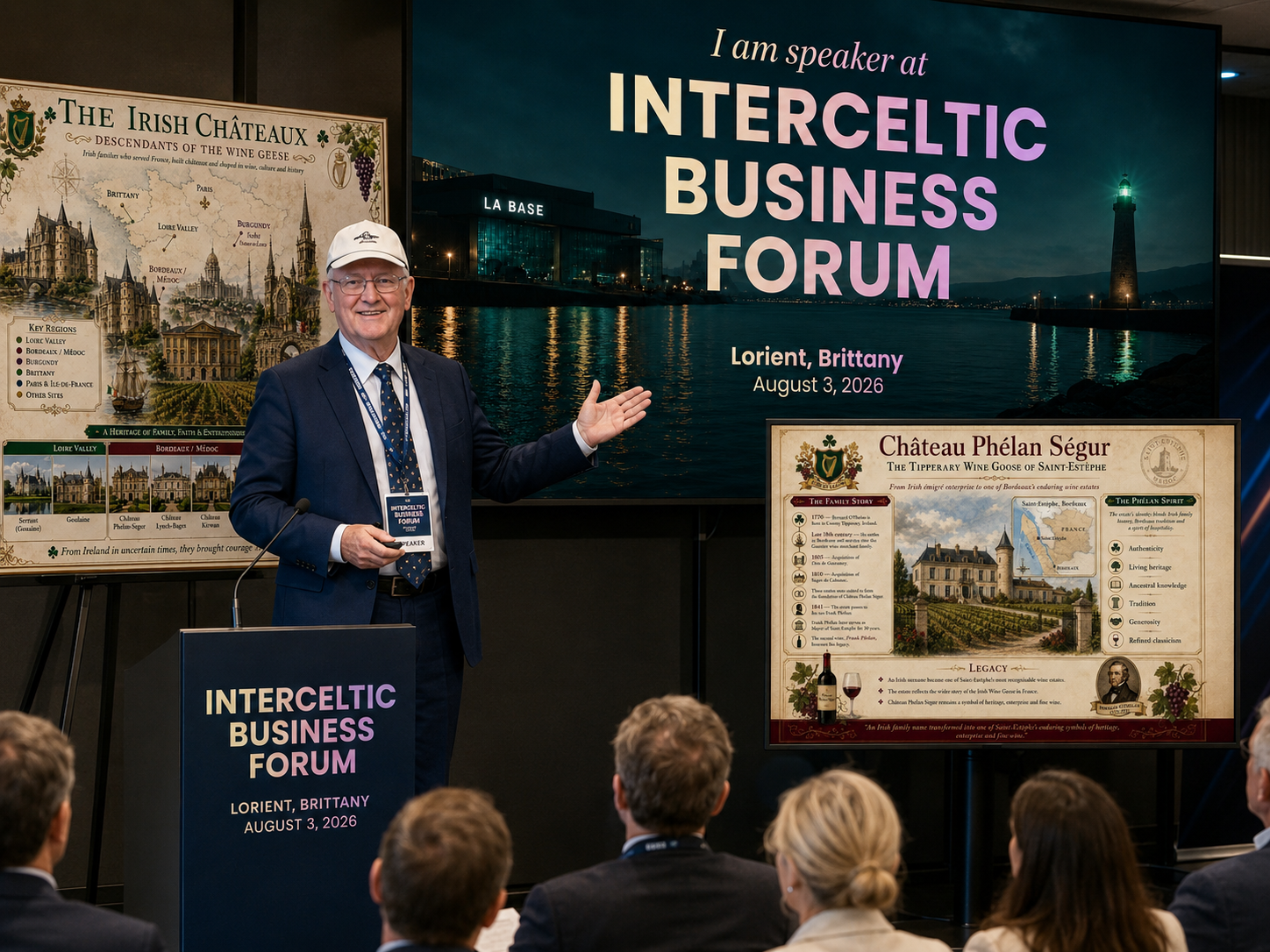
A pictorial history of the remarkable influence of Irish families and Irish châteaux on the French wine industry
Read More%20(1).jpg)
Irish fintech recognised for transforming digital customer experiences with no-code innovation and AI
Read More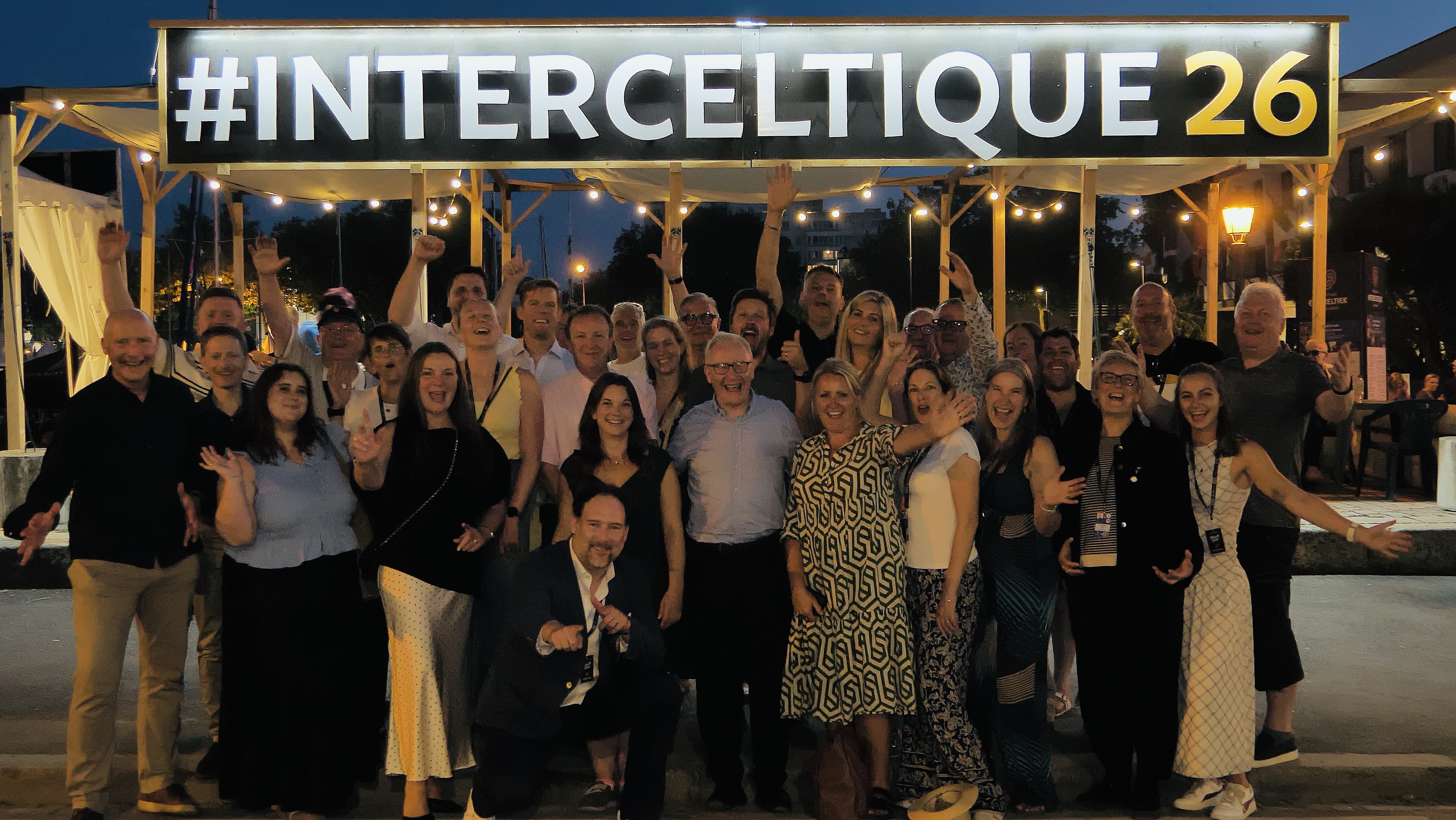
Discover the key insights from the 10th Interceltic Business Forum, where leaders from Brittany, Ireland, Cornwall, the Isle of Man and beyond explored AI, innovation, housing, regional growth and the power of collaboration.
Read More
The Interceltic Business Forum will return to Lorient on Monday, 3 August 2026 for its 10th edition, hosted at CCI du Morbihan during the Festival Interceltique de Lorient.
Read More


