.jpg)
Tomás Ó Síocháin of Údarás na Gaeltachta discusses AI, low-resource languages, digital sovereignty, and how Celtic regions can turn innovation into opportunity.
As CEO of Údarás na Gaeltachta, Tomás Ó Síocháin is working at the intersection of language, innovation, and regional development. At the Interceltic Business Forum on the Isle of Man, he explored how AI is reshaping the conversation around multilingual communities, digital inclusion, and the future of low-resource languages.
In this interview, he reflects on the opportunities and risks facing Celtic regions, the importance of digital sovereignty, and why new technologies must also protect cultural identity.
It means that the tools that for many years were not available to allow individuals to bring bold ideas to life are now becoming more sophisticated but more accessible at the same time. That means, similar to the emergence of the camera phone as a multi-media tool, that today AI tools will allow individuals, wherever they are to bring their ideas into being.
I think it's a very significant risk. Firstly the base models / LLMs are with the notable exception of Mistral, are trained on English language or Chinese language datasets. As a starting point, that reflects a world view informed by that data.
Our work is to ensure that these tools operate in Irish and other low-resource languages but we are also seeking to support ultimately the development of (affordable!) base models, which I believe will be necessary in the future to ensure that the cultural context, nuance and cultural identity is reflected and available in a world where these machines become ubiquitous.
Údarás na Gaeltachta are taking a twin track approach - on the one hand working with the existing systems and big players and in parallel seeking to support the development of indigenous tools. However ultimately the big players are commercial operators and are open to collaboration but are driven by the bottom line in a context where they have borrowed huge sums of money to develop and support their AI development.
We need to work on the market demand to highlight and focus that demand and raise awareness of it and then step in where possible to support the supply or demand side where there is a gap - effectively where there is market failure. It's not a dissimilar role to the one Údarás na Gaeltachta have had for 40 years - seeking to level the playing pitch for rural and regional areas.
The organisation now supports just under 10,000 jobs in client companies across the Irish speaking areas in Ireland, to ensure Irish continues as a community language in those areas and to create daily opportunities for Irish to be used.
Again, this is a twin track approach - working with the big players - Údarás na Gaeltachta have developed benchmarks / 'Clár Ceannais' to identify which of the big players offer the best service and then to use that within the existing Microsoft offering that most public agencies use. This allows Údarás to give people the tools to start and then at the same time develop indigenous solutions that increase the amount of data for training but do so in a way that protects that data.
That's a work in progress but colleagues have developed a method of digitising archival material that protects the source material and helps with training. That approach is promising and it's an area of focus for Údarás na Gaeltachta.
There is, I believe, an opportunity to address these challenges to ensure that low-resource languages are better served in the first instance and then, crucially, available by default. For the next generation of speakers these tools must be usable and available at their fingertips in their chosen language. There are circa 40 to 50 million citizens in the EU that speak a language that has less than 10m speakers.
That is a significant market, so I believe there will also be commercial opportunities for smaller companies to capitalise on - to build tools that meet their language needs but on platforms that cater to other similar markets and indeed to the global market that will emerge in this space.
The Interceltic Business Forum is where leaders, founders, policymakers, and innovators from across the Celtic nations come together to exchange ideas and build meaningful connections. Sessions like this one with Tomás Ó Síocháin highlight the depth and relevance of those conversations.
If you want to hear more voices like this and be part of the next round of interceltic collaboration, now is the time to join us at the next forum.
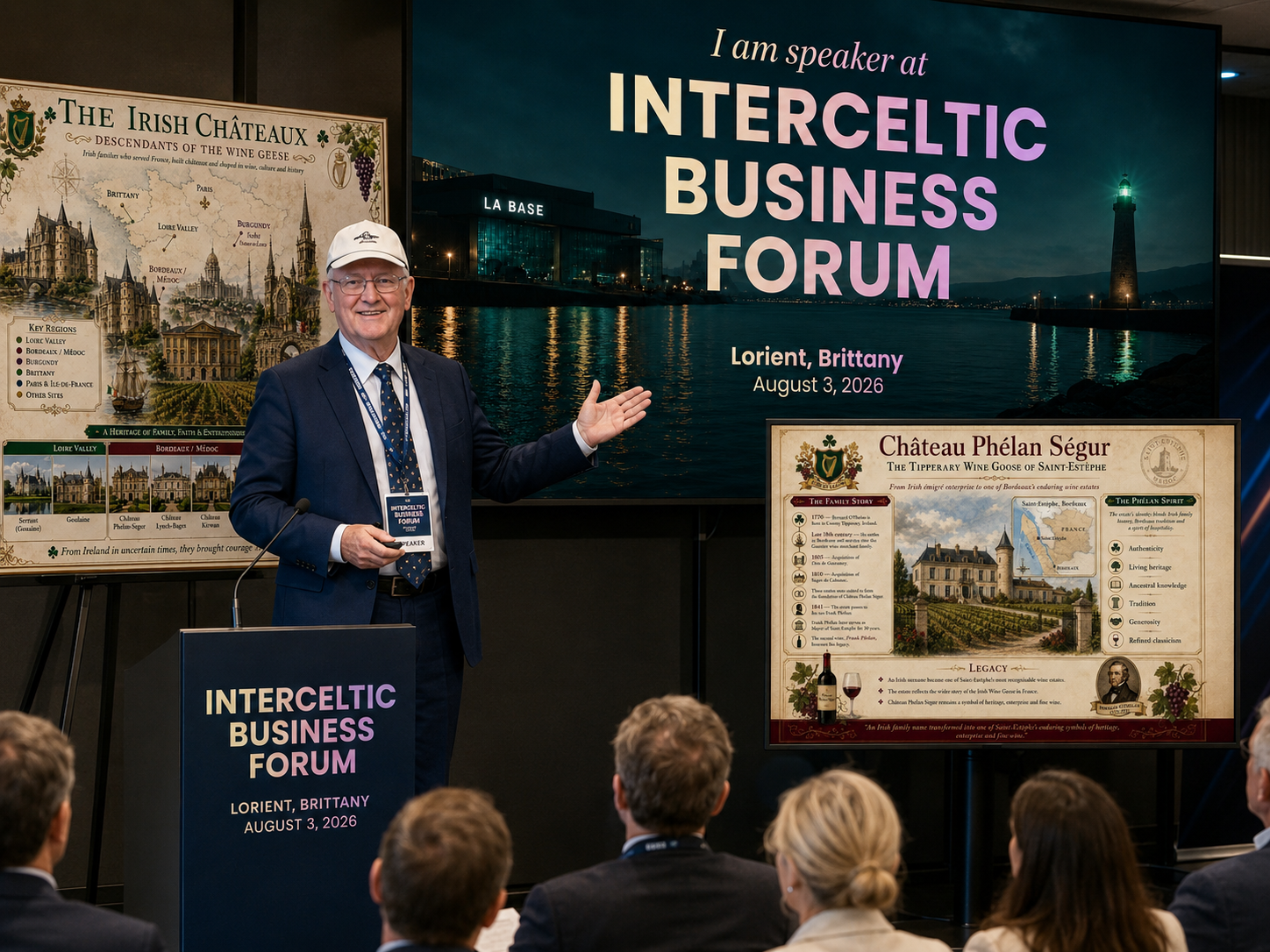
A pictorial history of the remarkable influence of Irish families and Irish châteaux on the French wine industry
Read More%20(1).jpg)
Irish fintech recognised for transforming digital customer experiences with no-code innovation and AI
Read More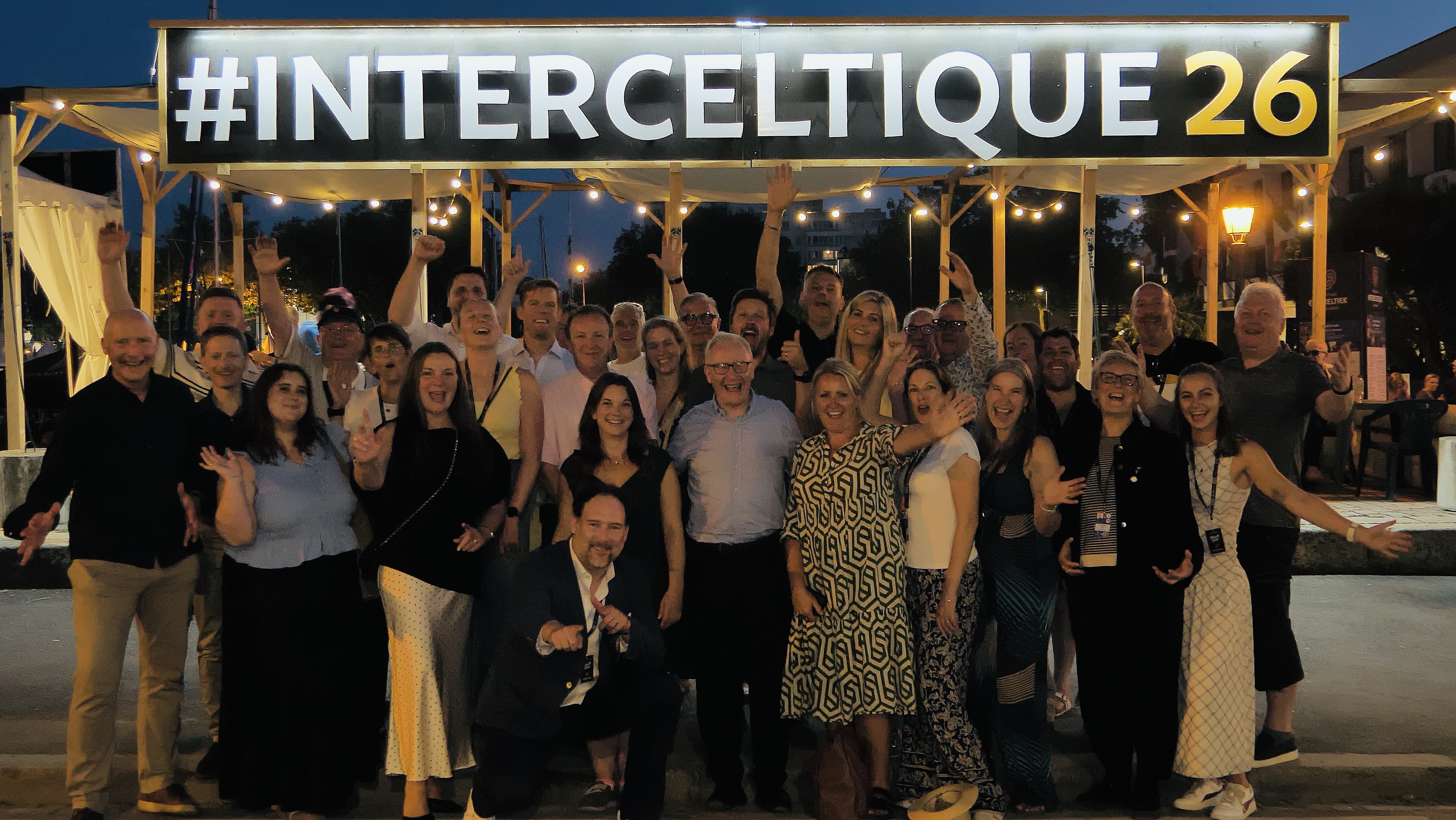
Discover the key insights from the 10th Interceltic Business Forum, where leaders from Brittany, Ireland, Cornwall, the Isle of Man and beyond explored AI, innovation, housing, regional growth and the power of collaboration.
Read More
The Interceltic Business Forum will return to Lorient on Monday, 3 August 2026 for its 10th edition, hosted at CCI du Morbihan during the Festival Interceltique de Lorient.
Read More


